
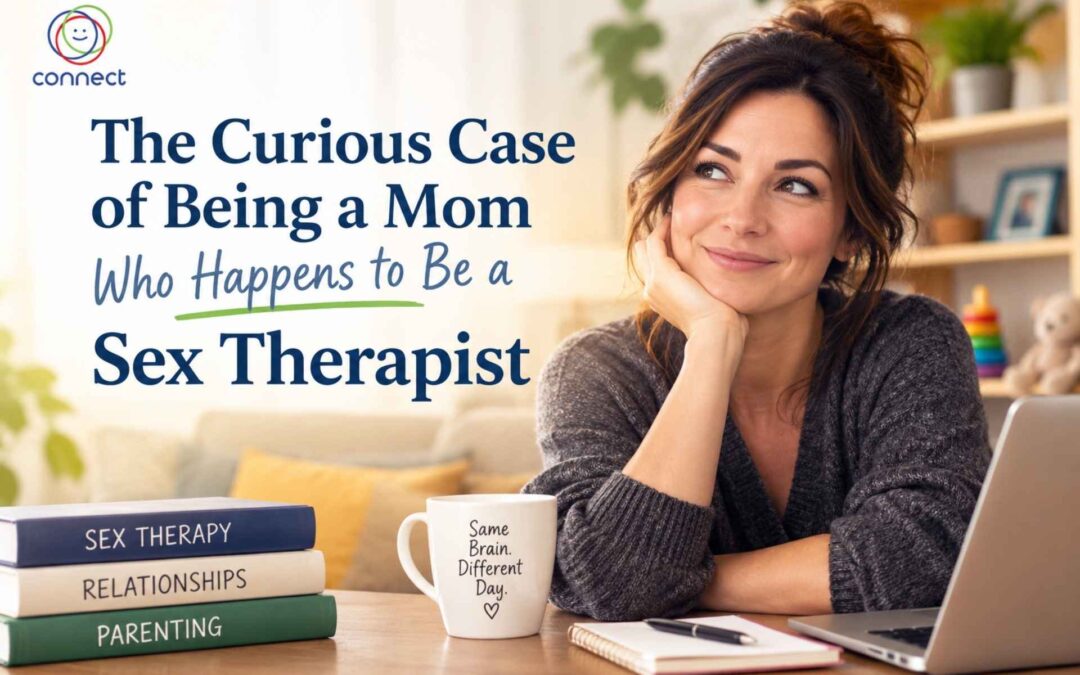
Motherhood comes with a strange set of unwritten rules. Somewhere between packing lunches, remembering spirit days, finding library books that mysteriously disappear every Tuesday, and carrying enough Band-Aids to qualify as a traveling urgent care, you also become part of a community you never really applied to join. Whether it’s standing in the school pickup line, chatting at birthday parties, hosting playdates, cheering from the sidelines at soccer games, volunteering at school events, or surviving yet another PTO fundraiser, you find yourself surrounded by other moms. Some become your closest friends. Others are the women you wave to every week, know their children’s names by heart, yet somehow still don’t know their last names. It’s a unique little world with its own rhythms, traditions, and conversations.
Those conversations almost always begin the same way. We exchange our children’s ages, compare calendars that somehow require military-level coordination, complain about the amount of laundry one small human can generate, and bond over our mutual dependence on caffeine. Eventually, though, the conversation reaches what seems like the most innocent question in the world.
“So…what do you do?”
I’ve learned over the years that my answer determines the rest of the conversation.
If I simply say, “I’m a therapist,” the response is almost universally positive. Smiles appear instantly. Someone tells me how much therapy helped a family member. Another says they’ve always wanted to see a therapist but haven’t taken the leap. People nod approvingly and tell me how important mental health is. It’s warm, encouraging, and validating.
Then there’s the version where I tell the whole truth.
“I’m a sex therapist.”
It’s remarkable what one extra word can do.
The smiles hesitate. Someone lets out an awkward laugh. Another suddenly becomes fascinated with stirring their coffee or watching their child on the playground. I’ve watched people mentally reboot as if I just announced that I wrestle alligators for a living. Every once in a while, someone asks a question that still catches me completely off guard: “Is that…appropriate?” Or, my personal favorite: “Should you really be around children?”
I usually laugh because, honestly, what else do you do with a question like that? Last time I checked, volunteering at the school carnival didn’t require me to disclose my specialty area before handing out snow cones. I promise I’m not discussing libido while organizing classroom parties or explaining attachment theory during snack time. I’m simply another mom trying to remember which child signed up for which activity and whether today is the day someone needed to wear pajamas to school.
What fascinates me most isn’t the awkwardness itself; it’s how quickly people confuse my specialty with my identity. No one assumes a cardiologist spends every waking moment thinking about hearts. We don’t wonder whether an orthopedic surgeon is silently evaluating everyone’s knees during the PTA meeting. We certainly don’t question whether a dermatologist should be around children because they specialize in skin. Yet tell people you’re a sex therapist, and suddenly your entire profession becomes a source of suspicion rather than expertise.
Somewhere along the way, we’ve confused talking about sexual health with being inappropriate. We’ve allowed one word—sex—to overshadow the much more important word that follows it: therapist. I’m still a licensed mental health professional. I still follow the same ethical standards, the same evidence-based practices, and the same commitment to helping people heal. I simply specialize in an area of health that our culture simultaneously obsesses over and refuses to discuss honestly.
The irony isn’t lost on me. Many of the same parents who become visibly uncomfortable after hearing my job title are raising children they hope will become emotionally healthy adults. They want their children to understand consent, respect themselves and others, communicate well in relationships, establish healthy boundaries, and feel confident in their own bodies. Those are beautiful goals, and they happen to be many of the very things I help adults recover after spending years—sometimes decades—without ever being taught them.
Because the truth is, sex therapy isn’t what most people imagine.
My work rarely looks anything like the assumptions people make. Instead, it looks like helping a woman understand why intimacy became painful after childbirth and reassuring her that she isn’t broken. It looks like helping exhausted parents rediscover emotional connection after years of pouring every ounce of themselves into raising children. It looks like helping survivors of sexual trauma reclaim a sense of safety in their own bodies. It looks like untangling shame that has been passed down through generations, shaped by family messages, religious teachings, cultural expectations, or misinformation. It looks like teaching couples that communication, vulnerability, and emotional safety are often far more important than anything they think they’re supposed to be doing in the bedroom.
Most days, my office contains more tears than laughter. We talk about grief, anxiety, betrayal, attachment wounds, self-worth, identity, fear, and healing. We celebrate vulnerability, resilience, and reconnection. Sex is certainly part of those conversations, but it is rarely the whole story. At its core, my work has always been about helping people feel safe, connected, and fully human.
Perhaps that’s why I wish more people understood that sexual health isn’t separate from mental health. It’s woven into it. Our experiences with our bodies, relationships, intimacy, trust, and vulnerability shape how we see ourselves and how we connect with others. Ignoring those conversations doesn’t make the issues disappear; it simply leaves people believing they’re alone in struggles that are incredibly common.
As mothers, we spend years teaching our children to be kind, honest, empathetic, and respectful. We teach them that their bodies belong to them, that their voices matter, and that healthy relationships require trust and communication. Those lessons don’t suddenly stop being important when they reach adulthood. In many ways, they become even more important. Unfortunately, many adults were never taught those lessons themselves, which is exactly why professionals like me exist.
So yes, you’ll still find me volunteering at school, chatting with other moms during playdates, clapping a little too enthusiastically at dance recitals, and wondering how every fundraiser somehow convinces me to buy things I never intended to purchase. I’m just another mom juggling calendars, laundry, permission slips, and snack requests.
I also happen to be a sex therapist.
If my job title makes someone pause, maybe that’s okay. Maybe it’s an invitation to question why one word carries so much discomfort. Maybe it’s an opportunity to replace assumptions with curiosity instead of judgment.
Because here’s what I’ve learned after countless birthday parties, school events, and afternoons on the playground: the moms who seem the most uncomfortable when I first answer the question are often the same ones who quietly find me after everyone else has gone home. They glance over their shoulder, lower their voice, and almost whisper, “Can I ask you something?”
The conversation that follows almost always begins the same way.
“I’ve never told anyone this before…”
And in that moment, it becomes clear that they were never uncomfortable with me.
They were uncomfortable with the shame they had been carrying all along.
That, more than anything else, is exactly why my job exists.